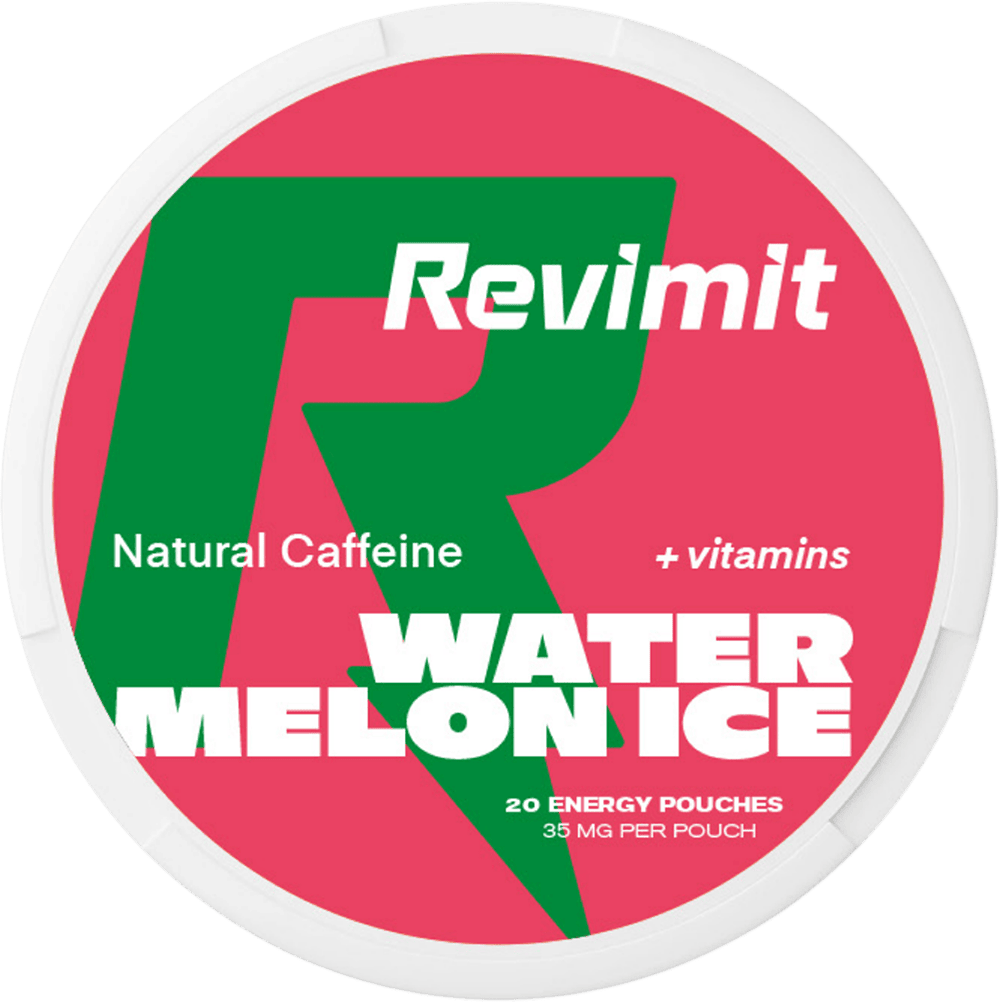
Caffeine Pouches vs Coffee: Which One Is Better for Your Energy?
You reach for something to get going in the morning. For most people, that’s coffee. But a growing number of people are switching to caffeine pouches — and asking whether it might actually be the smarter choice. This isn’t a marketing question. It’s a pharmacology one.
Here’s what the science says.
How Each One Delivers Caffeine
The key difference isn’t the caffeine itself — it’s how your body receives it.
When you drink coffee, caffeine travels through your digestive system before entering the bloodstream. This takes time. Peak plasma concentration is typically reached 45–60 minutes after ingestion, according to a pharmacokinetics review published in Clinical Pharmacokinetics (Blanchard & Sawers, 1983).
Caffeine pouches work differently. Placed between the lip and gum, they deliver caffeine through the buccal mucosa — the soft tissue lining your cheek. This route bypasses the digestive system entirely. According to a 2025 analysis by Dr. Dipa Kamdar of Kingston University (published in The Conversation), buccal absorption produces a faster caffeine hit than oral ingestion.
A 2025 ScienceDirect study evaluating caffeine bioaccessibility across different delivery formats confirmed that digestion significantly affects how much caffeine is ultimately absorbed from beverages, introducing variability that pouch-based delivery avoids (Food Chemistry, 2025, doi:10.1016/j.foodchem.2025.028778).
Caffeine Content: How Do They Compare?
A standard mug of instant coffee contains approximately 100mg of caffeine. Brewed filter coffee typically ranges from 80–120mg depending on preparation. Espresso can reach 60–80mg per shot.
Revimit caffeine pouches contain a precise 50mg of caffeine per pouch — a controlled, moderate dose. This is intentional. The goal isn’t maximum stimulation; it’s clean, reliable energy without overstimulation.
The Crash Problem
Coffee drinkers often report an energy crash 2–3 hours after consumption. This isn’t just subjective — it’s physiological. Caffeine works by blocking adenosine receptors in the brain, creating a temporary sense of alertness. When caffeine clears, adenosine binds rapidly to now-available receptors, producing a pronounced rebound fatigue effect (Nehlig et al., Brain Research Reviews, 1992).
Coffee also stimulates cortisol release. A review in Endocrine Abstracts (2025) found that coffee consumption produces a 30–50% cortisol spike, which contributes to the jittery feeling many coffee drinkers experience and can worsen anxiety in sensitive individuals.
Revimit pouches include L-Theanine, an amino acid found naturally in green tea. Research published in Nutritional Neuroscience (Haskell et al., 2008, doi:10.1179/147683008X301513) demonstrated that L-theanine combined with caffeine significantly reduces the jittery side effects of caffeine while maintaining or improving cognitive performance. The result: energy without the edge — and no crash.
Practical Advantages of Caffeine Pouches
- No preparation time — no brewing, no waiting, no equipment
- Zero calories — coffee is calorie-free black, but most people add milk and sugar
- No acid — coffee is highly acidic (pH 4.5–5); pouches don’t affect stomach acidity
- No staining — coffee is one of the leading causes of tooth discoloration
- Portable — a pouch works anywhere; a hot coffee doesn’t
- Precise dosing — 50mg every time, no variability
When Coffee Has the Edge
Coffee has real advantages that pouches don’t replicate:
- Antioxidants — coffee is one of the largest sources of dietary antioxidants in Western diets (Svilaas et al., Journal of Nutrition, 2004)
- Ritual and enjoyment — the sensory experience of coffee has genuine psychological value
- Longer research history — coffee’s long-term health effects are well-studied; caffeine pouches are newer
The Verdict
Coffee and caffeine pouches solve the same problem — low energy — through different mechanisms. Coffee offers antioxidants, ritual, and a longer track record. Caffeine pouches offer faster onset, precise dosing, no acidity, no staining, and a smoother energy curve when combined with L-theanine.
If you want a morning ritual with health benefits, coffee is hard to beat. If you need reliable, portable, crash-free energy during the day — a caffeine pouch is the more functional choice.
Many people use both, for different situations. That’s not a contradiction — it’s just understanding your tools.
References: Blanchard J, Sawers SJ (1983). Comparative pharmacokinetics of caffeine in young and elderly men. Journal of Pharmacokinetics and Biopharmaceutics, 11(2):109–126. | Haskell CF et al. (2008). The effects of L-theanine, caffeine and their combination on cognition and mood. Nutritional Neuroscience, doi:10.1179/147683008X301513. | Nehlig A et al. (1992). Caffeine and the central nervous system. Brain Research Reviews, 17(2):139–170. | Kamdar D (2025). Caffeine pouches deliver a fast hit — and hidden risks. The Conversation. | ScienceDirect (2025). Bioaccessibility and bioavailability of caffeine in beverages. Food Chemistry, doi:10.1016/j.foodchem.2025.028778.